The hours are not lost on the work. They are lost between systems.
Process consulting and automation for facilities and asset management companies. I map what happens every day, measure what it costs, and only then do we talk about technology.
Book a diagnostic — 45 minutes
No cost. Written report delivered within 3 working days.
You have probably heard this in your own company
It's in João's spreadsheet.
Then I copy it into the system.
Send me a photo on WhatsApp and I will log it.
This month's report? I need two days.
The system can do that, but nobody uses it.
It's in Maria's head — if she's out, nobody knows.
None of these sentences is a software problem. They are all the same problem: information that exists, but that someone has to write down again, go looking for, or remember. That has a cost in hours — and nobody counts it, because it is spread thin across the working day.
Diagnostic first. Always.
I don't sell software. I don't recommend tools before I understand the process. The work starts with a structured conversation and ends with a document that has numbers in it.
-
Diagnostic conversation
A guided interview about how the work actually happens in your company: who does what, how often, how long it takes, and where it ends up recorded. By video call or in person.
-
Report — Part A
A written document with:
- the map of your main processes, as they run today
- the current level of digitisation and the level within reach, measured against an explicit scale
- the hours per month you could recover, estimated conservatively
- the points where the process stalls, repeats itself, or depends on one person
Part A answers what, where, and who. It is yours, with no obligation, and it is written to be read by someone who was not in the room.
-
Report — Part B
The possible ways to resolve the points found: which approaches make sense, in what order, how much effort each takes, and what changes under each scenario. Part B answers how. That investment is fully deducted from the first project you commission.
-
Execution
If and when it makes sense. Fixed scope, fixed price, agreed before starting.
What "level of digitisation" means
| 0 | 1 | 2 | 3 | 4 | |
|---|---|---|---|---|---|
| Data capture in the field How information gets into the system from whoever does the work | |||||
| Flow between systems Whether the systems you already have talk to each other, or depend on someone | |||||
| Approvals and decisions How long a request waits on someone | |||||
| Client and supplier communication How much manual work it takes to keep everyone informed | |||||
| Reporting and indicators Whether the numbers exist, and what it costs to produce them | |||||
| Document management Whether you can find a document when you need it | |||||
| Documented knowledge How much of the process lives in people’s heads |
The same scale is applied twice: where you stand today, and where it is realistic to be in 12 months. The gap between the two is the work to be done.
I work with
- Facilities management and multiservice companies
- Industrial maintenance and HVAC
- Condominium administration
- Asset and property management
- Equipment maintenance
- Fleet management
Companies with 10 to 150 people, with field operations and office administration. That's exactly where the problem lives.
I'm not the right fit if
- you are looking for a website or digital presence
- you are looking for off-the-shelf software without changing the process
- you have nobody free for 45 minutes of honest conversation
David Carvalho
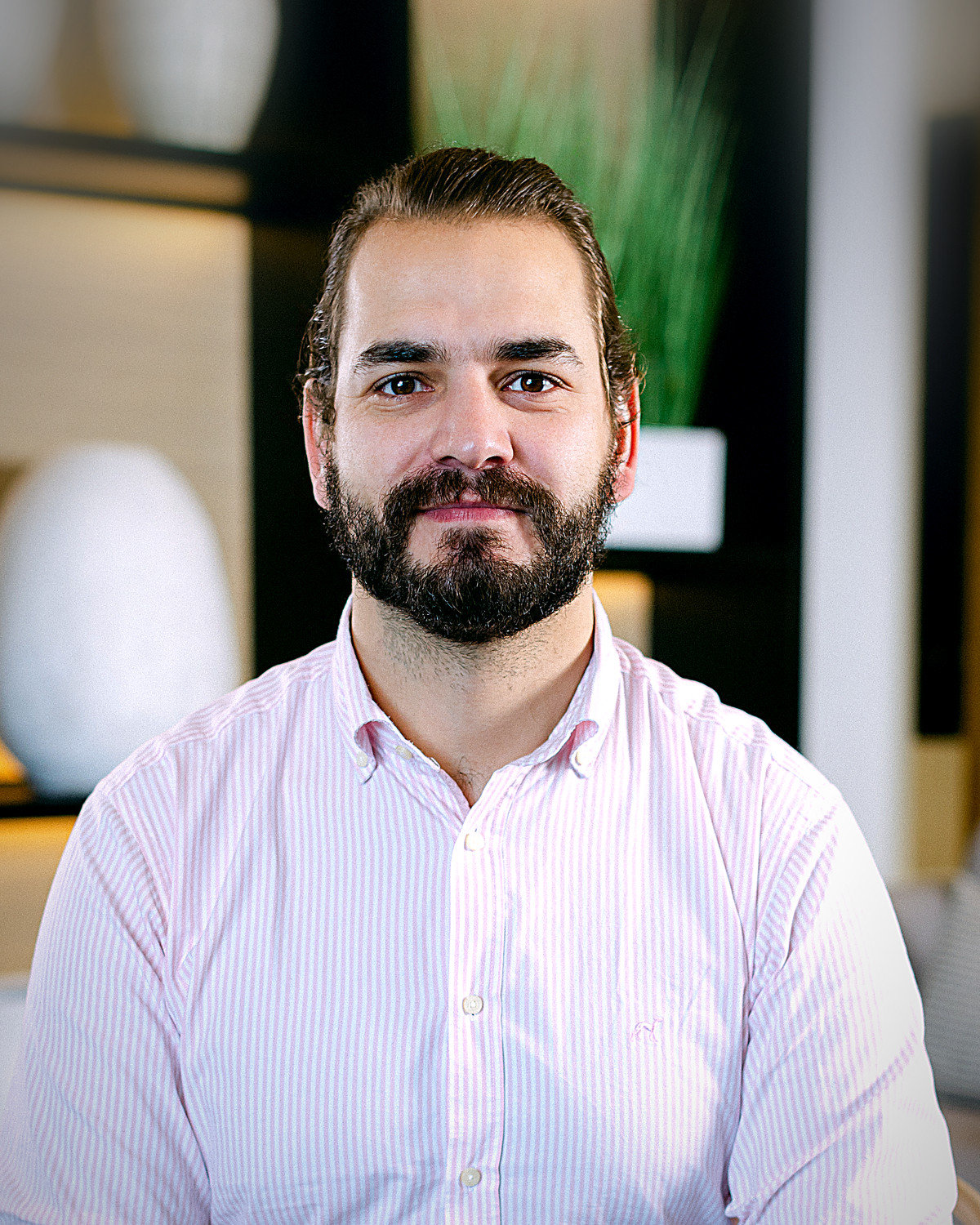
I've spent more than 10 years working in digital transformation, continuous improvement and process automation — most of that time inside operations, not presenting slides to management boards. With a specialisation in asset and facilities management.
For the last 3 years I've been working with artificial intelligence applied to real processes: extracting information from documents, automatic triage, report generation. I build and run the systems I recommend.
Cerzo is just starting out. It's me, directly, from diagnostic to execution — no layers, no junior team, no account manager. And with introductory pricing that will not last once the schedule fills up.
In return, I ask one thing of my first clients: honesty about what worked and what did not.
Frequently asked questions
- Is this an audit?
- No. An audit checks compliance with a standard. This measures where you are losing time and what can be recovered.
- How much does the first step cost?
- Nothing. The conversation and the Part A report have no cost. Part B has a cost, deducted from the first project you commission.
- Why is Part A free?
- Because it's the best way to show you how I work, and the best way for me to find out whether I can actually help you. If I conclude I can't, I say so in the report.
- What if we don't move forward with anything?
- You keep the report. It is yours, whether you continue or not.
- Will we have to change software?
- In most cases, no. The starting point is always getting more out of what you already have.
- Is the conversation recorded?
- With your permission, yes — so the report reflects what you said, not what I remember. I ask permission before I start recording. If you would rather not, I take notes.
- How long does a project take?
- The simplest interventions are done in 2 to 3 weeks. The more structural ones, between 1 and 3 months. Scope and price are fixed before starting.
- Do you work across the whole country?
- Yes. The diagnostic conversation is usually by video call.
Forty-five minutes.
At the end you have a written document with numbers about your operation, even if we never speak again. It is hard to find a better return for 45 minutes.
Or write directly: geral@cerzo.pt